
Why Clear Minds Are Dangerous
This Week's Workout - Jan 25, 2026


Why Thinking Can’t Be Outsourced
Deep reading is rebellion.
This is a departure from our usual talk — deliberately.
Because strength isn’t only physical.
It’s cognitive.
It’s the ability to:
evaluate information accurately,
recognize patterns across time, and
make decisions without being pulled into emotional reactivity.
That skill — judgment — is increasingly strained, not because people are incapable…
… but because modern systems reward speed, outrage, certainty, and tribal alignment over accuracy, nuance, and restraint.
The result isn’t ignorance.
It’s disorientation.
The books below aren’t about panic or prediction.
They’re about pattern recognition — how instability forms, how power consolidates, how societies normalize dangerous shifts — and just as importantly, how individuals can maintain internal steadiness while external systems feel volatile.
Think of this as a layered framework:
Situational awareness — noticing early signals
Historical memory — understanding how similar moments unfolded
Political literacy — seeing how power actually moves
Inner regulation — staying clear-headed instead of consumed
This isn’t about “waking up.”
It’s about staying oriented.
Before you scroll away, consider:
Authoritarian systems have always understood the threat posed by an educated population.
One of the earliest moves in any oppressive regime is the restriction of learning — controlling what can be read, taught, remembered, or questioned.
Books and literacy are banned, histories are revised, curiosity is reframed as disloyalty.
Reading, then, is not passive.
Self-education is not neutral.
Choosing to read deeply (not skim, scan, scroll), across history, politics, psychology, and philosophy is a quiet form of resistance —
not because it makes you oppositional, but because it makes you:
harder to mislead,
easier to govern yourself, and
less dependent on simplified narratives.
A well-read mind retains options. A trained intellect resists coercion without needing to shout.
Clarity, like strength, is preserved by use.
I. Pattern Recognition Before the Crisis
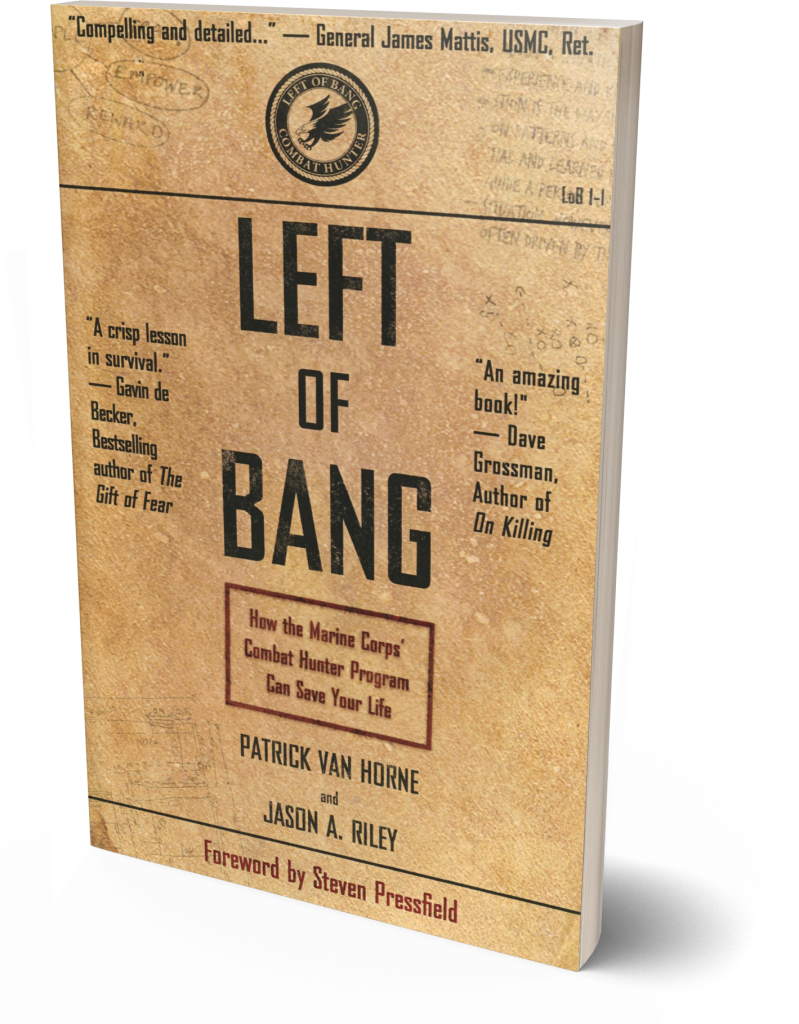
Left of Bang — Patrick Van Horne & Jason A. Reilly
This book is built around a simple but underutilized idea: major events rarely arrive without warning. They are preceded by subtle behavioral, environmental, and contextual signals — signals most people ignore because they don’t fit existing expectations.
Developed from Marine Corps threat-assessment training, the framework teaches how to notice deviations from baseline rather than waiting for obvious danger.
Why it matters now:
Disruption doesn’t announce itself cleanly. People who learn to detect early irregularities — social, political, or economic — retain options longer than those who wait for confirmation.
II. When History Looks Calm Right Before It Isn’t

In the Garden of Beasts — Erik Larson
A true story. Set in Berlin during Hitler’s rise, this book is unsettling precisely because of its ordinariness. Dinner parties continue. Diplomats reassure one another. Warnings are minimized because acknowledging them would require uncomfortable action.
The danger isn’t villainy — it’s normalization.
Core insight:
Authoritarianism often advances socially before it advances violently. By the time it feels obvious, the meaningful choices are already constrained.
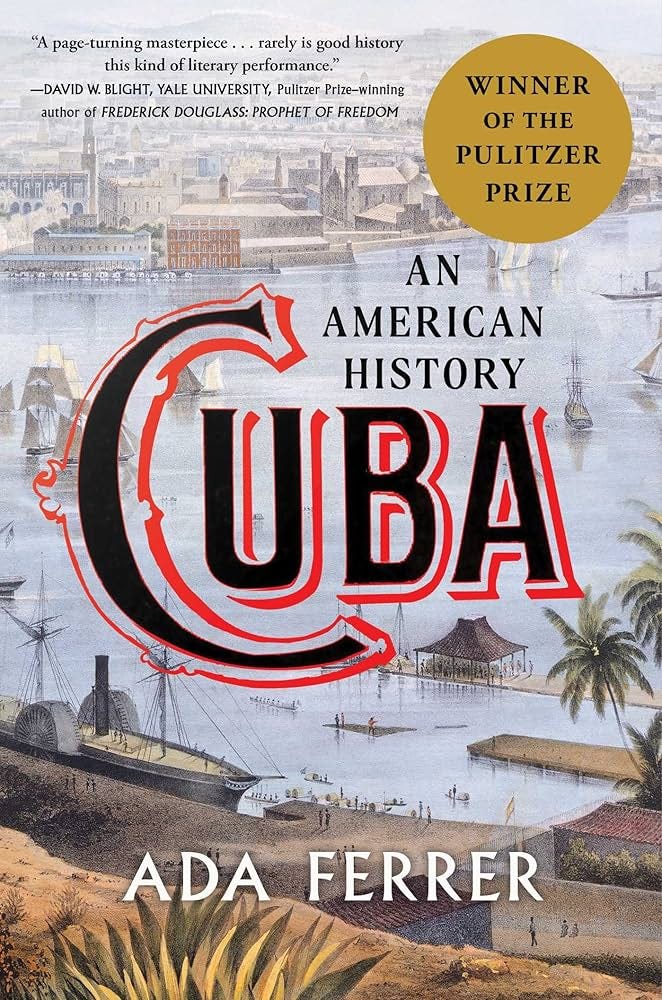
Cuba: An American History — Ada Ferrer
Rather than a single revolution or ideology, Ferrer traces how centuries of colonialism, economic dependence, foreign intervention, and resistance shaped Cuba’s trajectory.
It’s a reminder that political outcomes are rarely isolated events. They’re accumulated consequences.
Core insight:
To understand present instability, you have to study long-term structural pressures — not just personalities or headlines.
III. What Happens When Systems Overextend
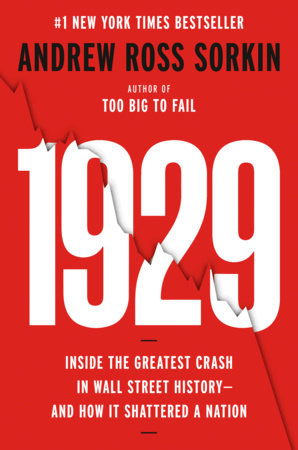
1929 — Andrew Ross Sorkin
This is not just a financial history. It’s a study in collective psychology — overconfidence, incentive distortion, and the human tendency to extrapolate recent success indefinitely.
The crash didn’t occur because no one saw it coming. It occurred because the system rewarded ignoring risk.
Core insight:
When short-term incentives override long-term stability, collapse becomes a matter of timing, not possibility.
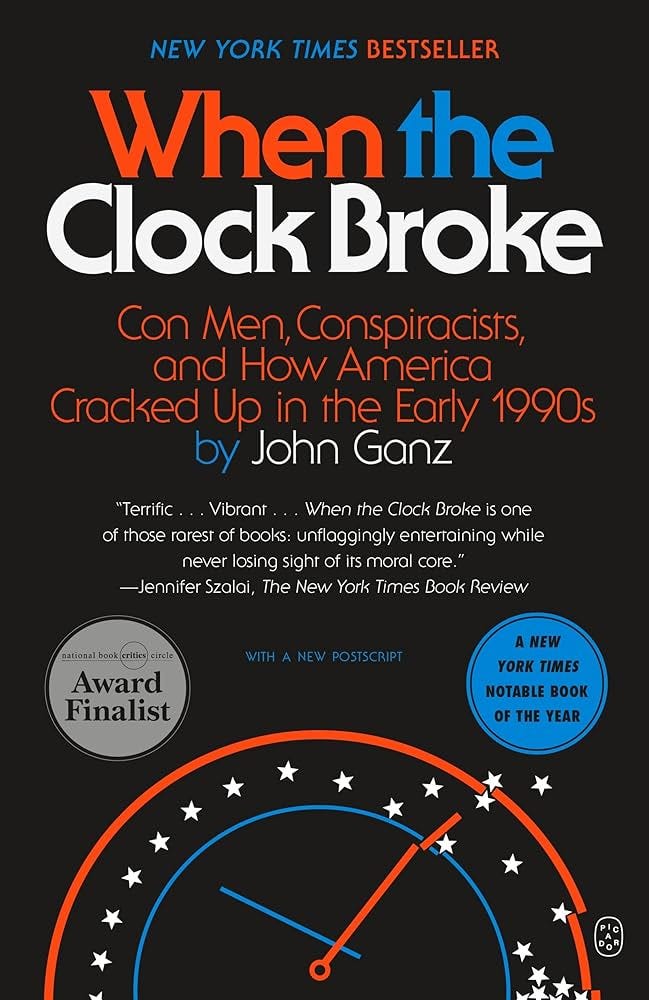
When the Clock Broke — John Ganz
Ganz traces how cultural and political shifts in the early 1990s quietly dismantled shared norms, long before polarization became obvious.
The value of this book isn’t prediction — it’s diagnosis.
Core insight:
Large ruptures are usually preceded by long periods of subtle drift that feel insignificant in real time.
IV. Power, Influence, and Institutional Vulnerability
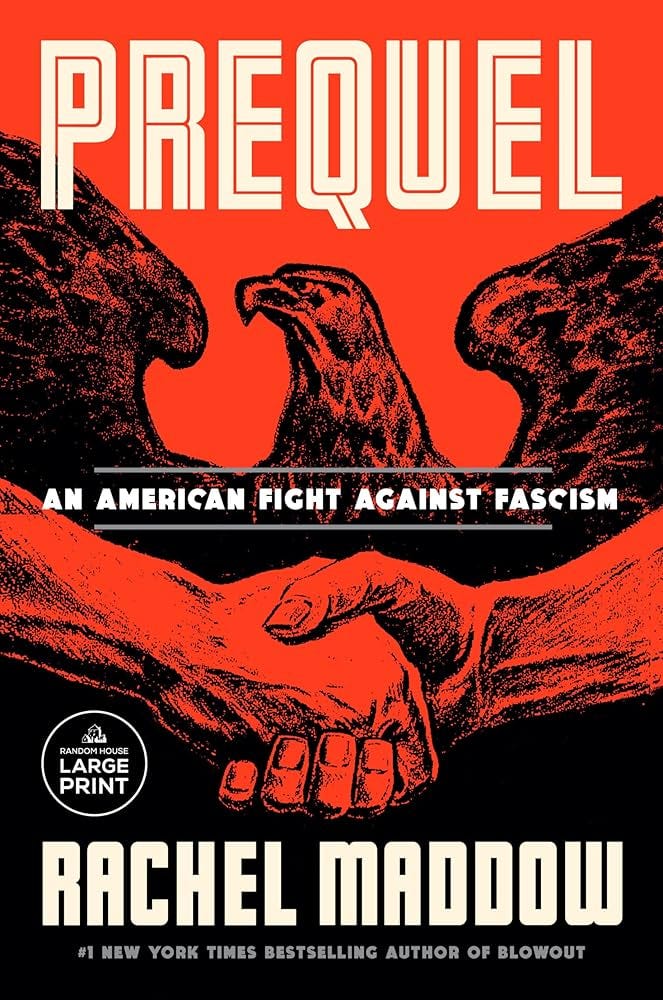
Prequel — Rachel Maddow
This book examines how authoritarian ideas have gained traction inside the United States before — not through coups, but through social networks, institutions, and ideological normalization.
It challenges the assumption that threats must be foreign to be dangerous.
Core insight:
Democratic erosion typically occurs through legal, cultural, and institutional channels — not sudden force.
Putin’s People — Catherine Belton
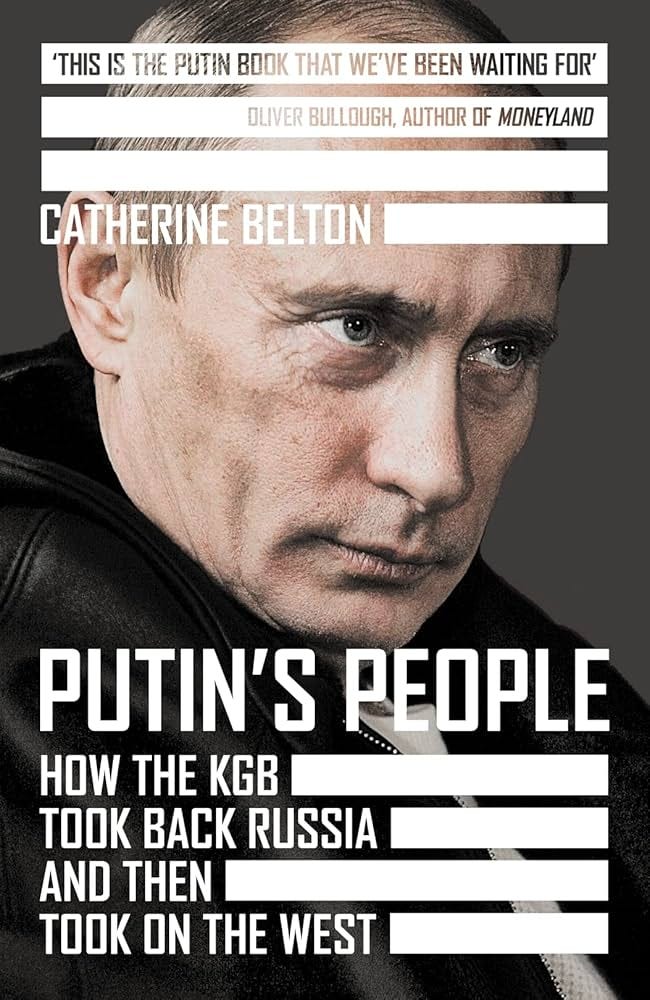
Belton documents how intelligence services, financial leverage, and loyalty networks replaced ideology as the primary tools of power in modern Russia — and how those methods extend outward through global systems.
Core insight:
Modern influence is often indirect, transactional, and deniable — which makes it harder to confront and easier to underestimate.
On Tyranny — Timothy Snyder
Snyder distills lessons from 20th-century European authoritarianism into twenty concise warnings. Rather than theory, this is a field manual — focused on individual responsibility, institutional defense, and moral courage in moments of political stress.
What makes this book powerful is its insistence that history does not inevitably repeat — it does so when people assume outcomes are guaranteed.
Core insight:
Authoritarianism advances when individuals outsource responsibility to “the system.” Democracies survive when people actively uphold norms, truth, and civic engagement — especially when it’s uncomfortable.
V. The Future Written as a Warning
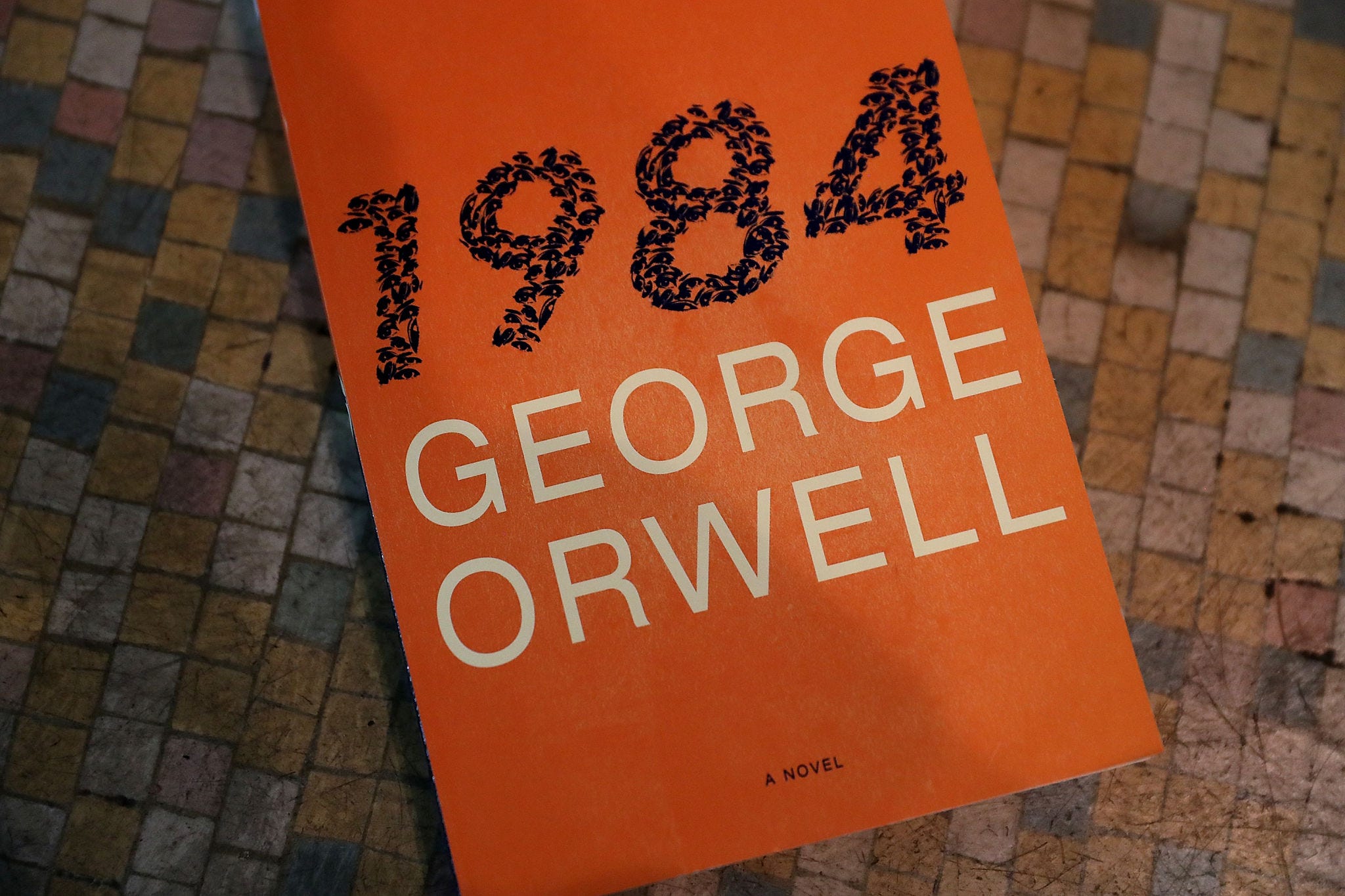
1984 — George Orwell
This novel isn’t about technology. It’s about cognition — how fear, repetition, and degraded language compress the range of permissible thought.
Orwell’s warning is structural: once people lose shared reality, power no longer needs to persuade. It only needs to repeat.
Core insight:
When language is corrupted, thinking follows. Protecting clear thought requires protecting precise words.
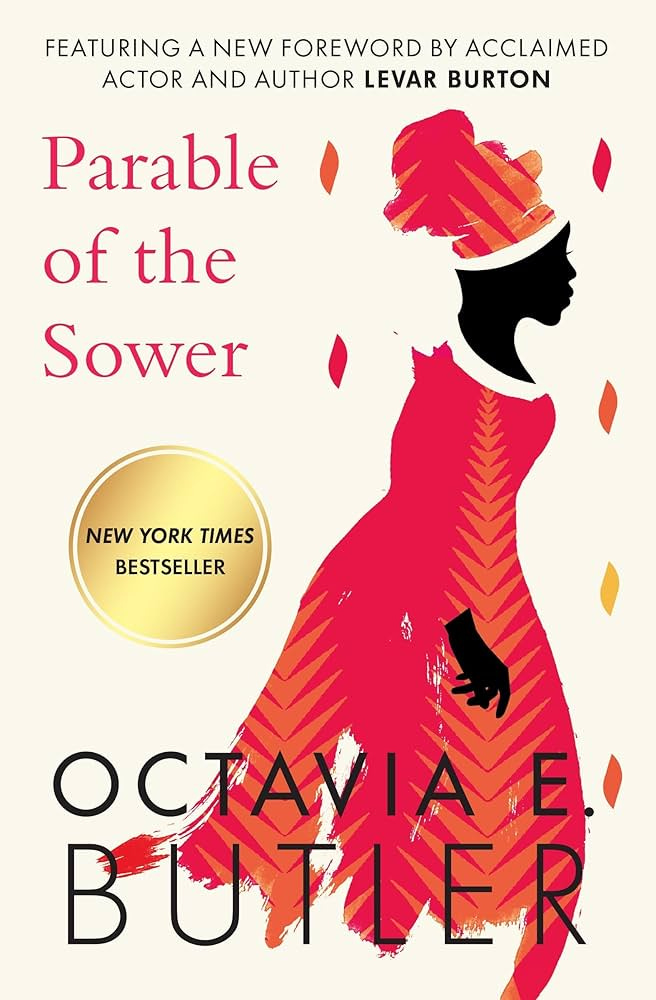
Parable of the Sower — Octavia E. Butler
Set in a near-future America marked by climate collapse, economic inequality, privatized security, and social fragmentation, Parable of the Sower feels less like speculative fiction and more like a stress test of the present.
Butler doesn’t focus on collapse itself — she focuses on adaptation. Community-building. Psychological resilience. The willingness to face reality without surrendering agency.
Her central idea is blunt and uncomfortable: change is inevitable; collapse isn’t — if people adapt consciously.
Core insight:
Those who survive disruption aren’t the strongest or the loudest. They’re the most adaptable, cooperative, and clear-eyed.
VI. For Your Nervous System
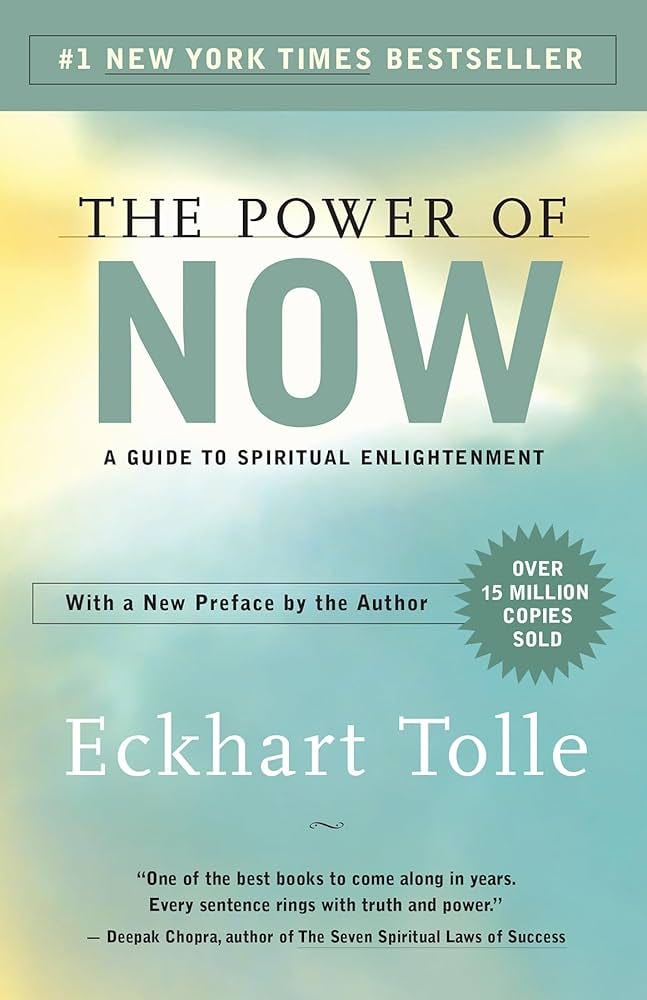
The Power of Now — Eckhart Tolle
Often dismissed as “soft,” this book is actually about regulation. It teaches how to interrupt compulsive reactivity — a critical skill in environments saturated with fear-based messaging.
Core insight:
A dysregulated nervous system is easy to steer. Presence restores choice.
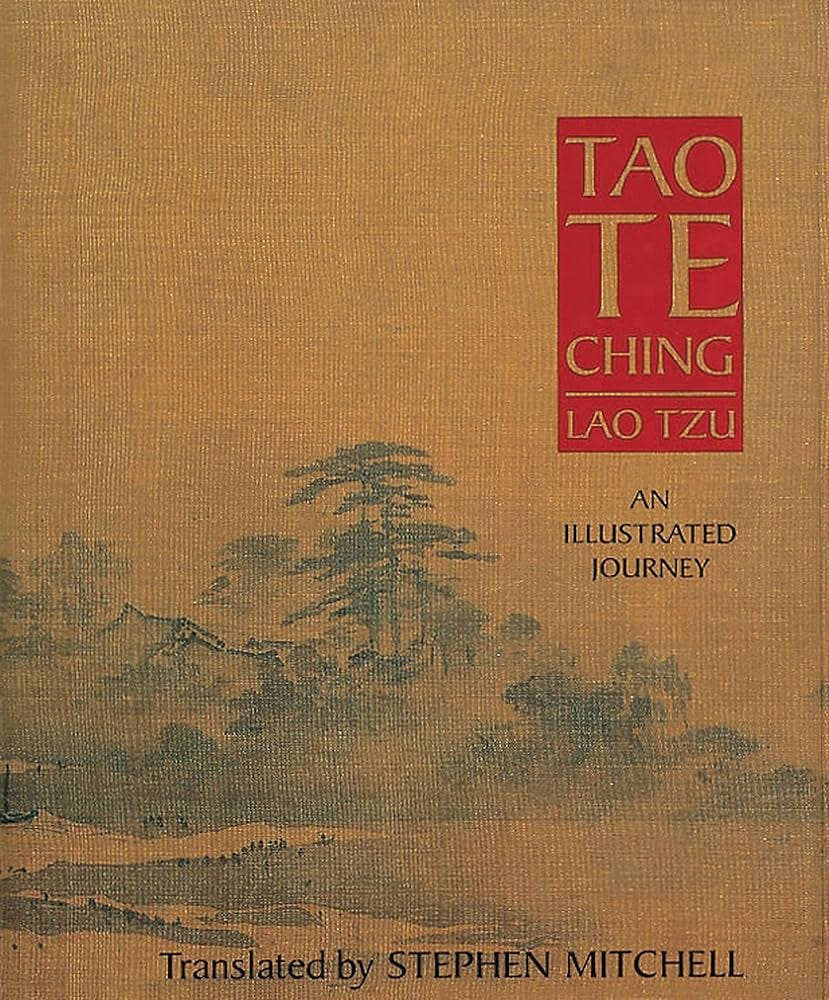
Tao Te Ching — Stephen Mitchell (translation)
This ancient text emphasizes flexibility over force, awareness over domination, and alignment with reality rather than resistance to it.
Core insight:
Rigid systems break. Adaptive ones endure.
History doesn’t repeat, but it does echo —
— and people who recognize echoes early don’t need to spiral later. They adjust. They choose deliberately.
Clarity and agency aren’t about consuming more information.
They’re about:
recognizing patterns before they harden
understanding how power has moved in similar moments
maintaining internal regulation so judgment stays intact
refusing the temptation to assume “someone else will handle it”
Strength isn’t just what you can lift.
It’s what you can hold steady — mentally, ethically, emotionally — when systems strain.
And like physical training, that kind of strength isn’t accidental.
It’s built. Repeatedly. Quietly. On purpose.
Yours in strength,
Michelle
Week 3 - Cycle 6- 1 Yr. Transformation Workout
Week of Jan 25, 2026
⭐️You must track your weights, sets, and reps.